Church of Ephesus
Book of RevelationThe Church of Ephesus is one of the seven churches addressed in Revelation, portrayed both as a community tested for its conduct and as a lampstand whose place is at risk. Its message holds commendation and warning together: diligent resistance to wrongdoing does not excuse the loss of its first love.
Identity and Representation
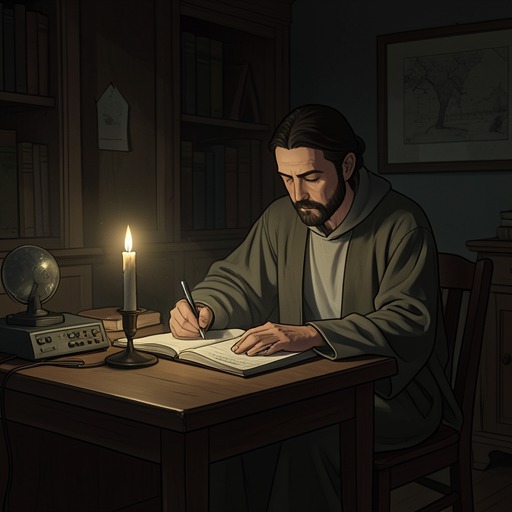
The Church of Ephesus is named among the seven churches in Asia to which John is instructed to send what he sees. In the vision, seven golden lampstands surround the figure who gives the message; the text identifies the lampstands as the seven churches and the stars in the figure’s hand as their angels. The church therefore appears within a network of communities addressed individually, while its lampstand gives its standing a visible symbolic form.
Conduct and Assessment
The message praises the church’s work, labor, and patience. It does not tolerate evil, and it tests people who claim to be apostles but are not, finding them false. The community has borne hardship and labored for the speaker’s name without growing faint. Its discernment and persistence are presented as real strengths, not as evidence that its spiritual condition is beyond criticism.
The central reproach is that the church has abandoned its first love. This charge contrasts its continuing effort and vigilance with a lost former devotion: sound judgment and endurance remain, but they do not amount to the whole of faithfulness. The message thus makes the church’s achievement and failure inseparable parts of its evaluation.
Warning and Promise
The church is told to remember the place from which it has fallen, repent, and resume its former works. The warning is concrete: unless it repents, its lampstand will be removed from its place. The image turns the earlier representation of the church into a consequence-bearing sign; the community’s continued standing is not presented as automatic.
The message also commends the church for hating the deeds of the Nicolaitans, which the speaker likewise hates. It concludes with a promise to the one who overcomes: access to the tree of life in the paradise of God. The ending balances the threat of removal with a hope of life, making repentance and perseverance the conditions that frame the church’s future.